
Wild flora
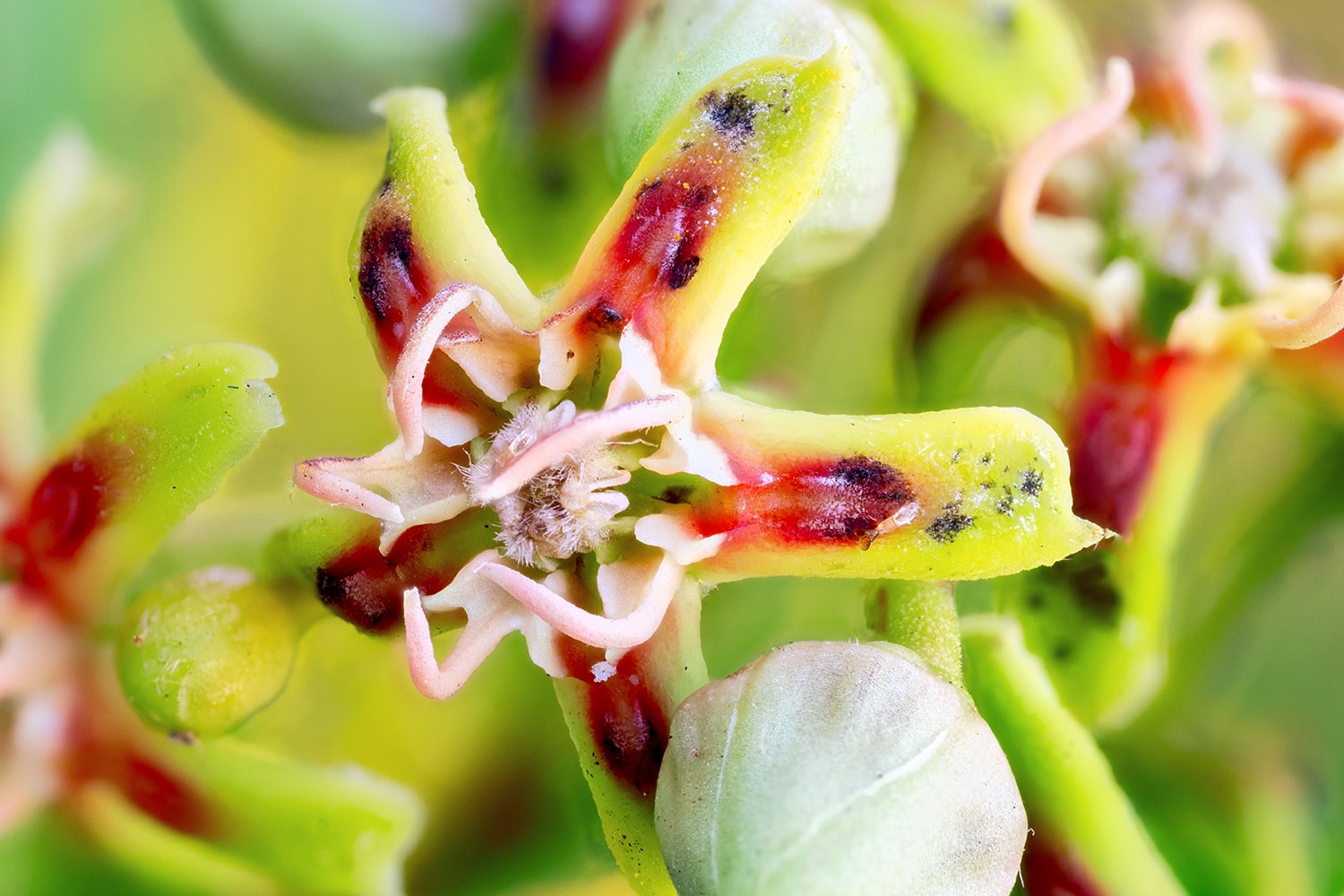 Periploca laevigata
Within the wide variety of species that make up the Canary Islands’ vegetation, a distinction must be made between native species, endemic species and species that have been introduced by humans, those brought by the first settlers and, above all, those that arrived following the conquest of the Canary Islands by the Spanish, French and Portuguese. The endemic flora consists of species that grow only in our archipelago and which, through various evolutionary processes, have adapted to specific areas of the Canary Islands.
The indigenous or native flora consists of species that are native to the Canary Islands, though not necessarily exclusive to the archipelago, as a large proportion of it is also found in other Atlantic archipelagos: Madeira, the Azores, the Salvajes islets and, to a lesser extent, the Cape Verde Islands, within a floristic region known as Macaronesia. Introduced flora consists of those species that have been brought to our territory by the first settlers who arrived here, whether intentionally or by chance.
The current distribution of this significant flora across the different islands of the archipelago is highly varied, and is determined more by the geological age, topography and climatic characteristics of each island than by its size. Generally speaking, it is estimated that the island of Tenerife has around 1,470 wild species, Gran Canaria 1,300, La Palma 900, La Gomera 900, Fuerteventura 750, Lanzarote 700 and El Hierro 700. In terms of the number of endemic species, the island of Tenerife also ranks first with around 300, followed by Gran Canaria with 215, La Palma and La Gomera with around 200 each, El Hierro with around 120, Fuerteventura with 78 and Lanzarote with 70.
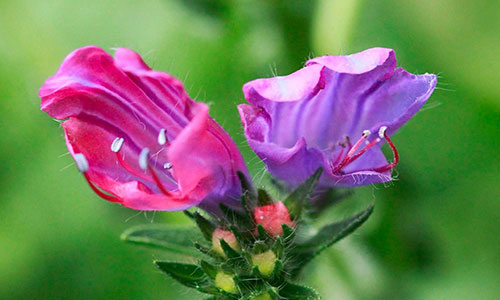 Echium plantagineum
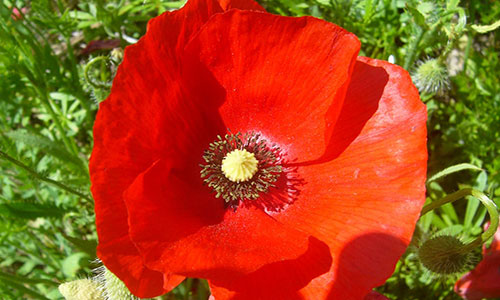 Papaver rhoeas
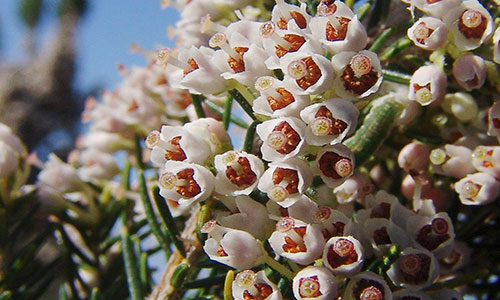 Erica arborea
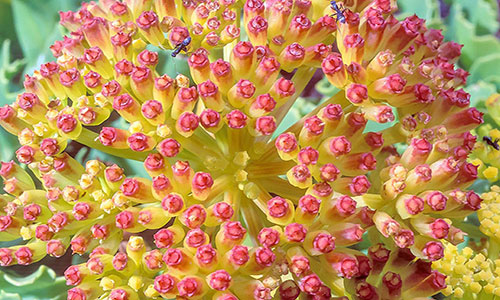 Astydamia latifolia
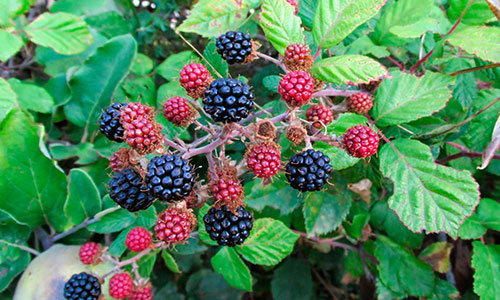 Rubus ulmifolius
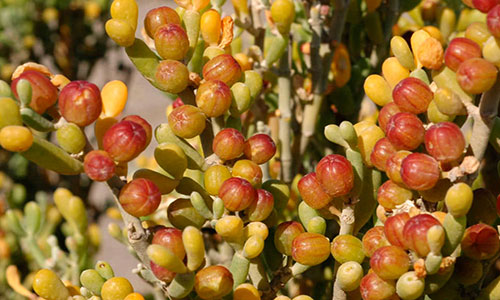 Tetraena fontanesii
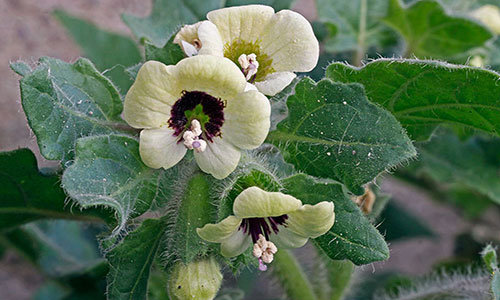 Hyoscyamus albus
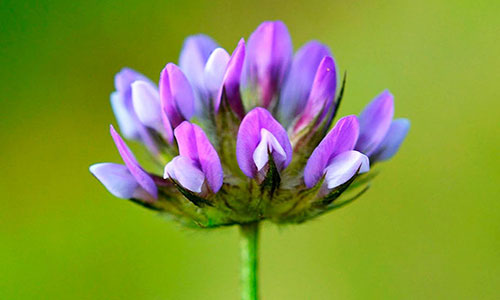 Bituminaria bituminosa
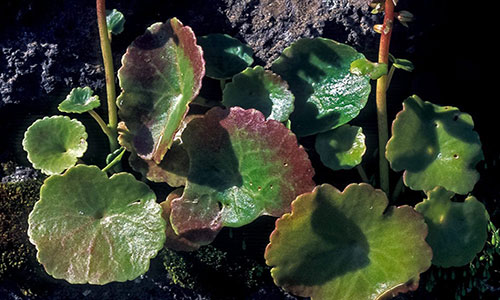 Umbilicus gaditanus
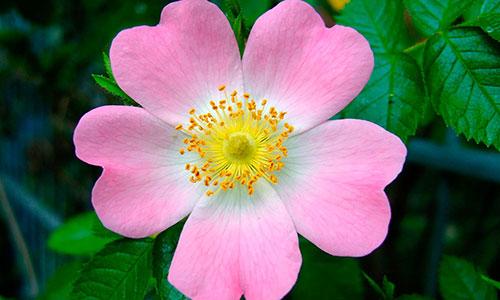 Rosa canina
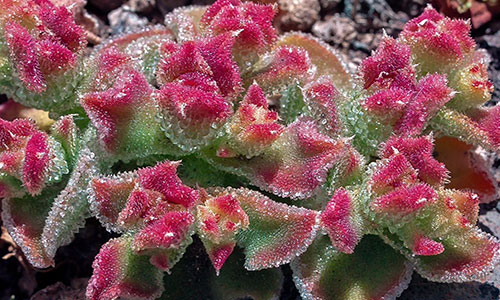 Mesembryanthemum crystallinum
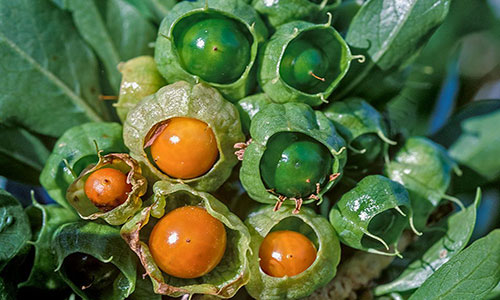 Withania aristata
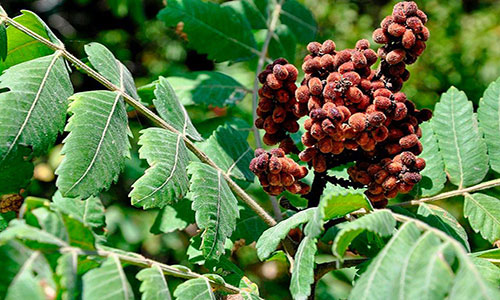 Rhus coriaria
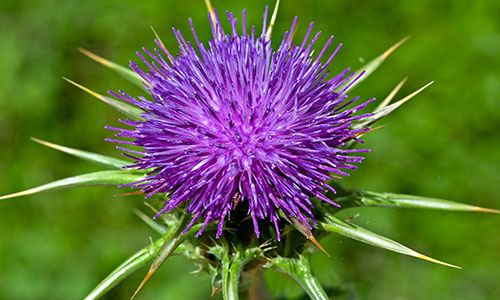 Silybum marianum
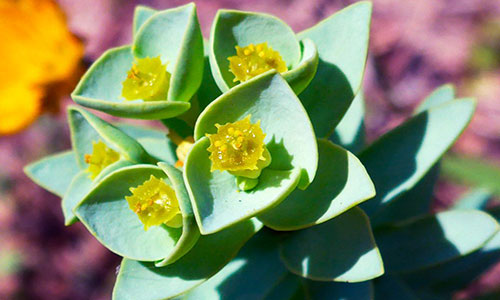 Euphorbia paralias