Canary Flora > Wild species
Aeonium tabuliforme
Aeonium tabuliforme (Haw.) Webb & Berthel.
Familia
CRASSULACEAE
Pastel de risco, ombligo de risco, yerba puntera, lapa
Description:
A succulent herb, biennial or perennial, with a long, finely branched root
system anchored to the ground by long, slender roots; it has a very short,
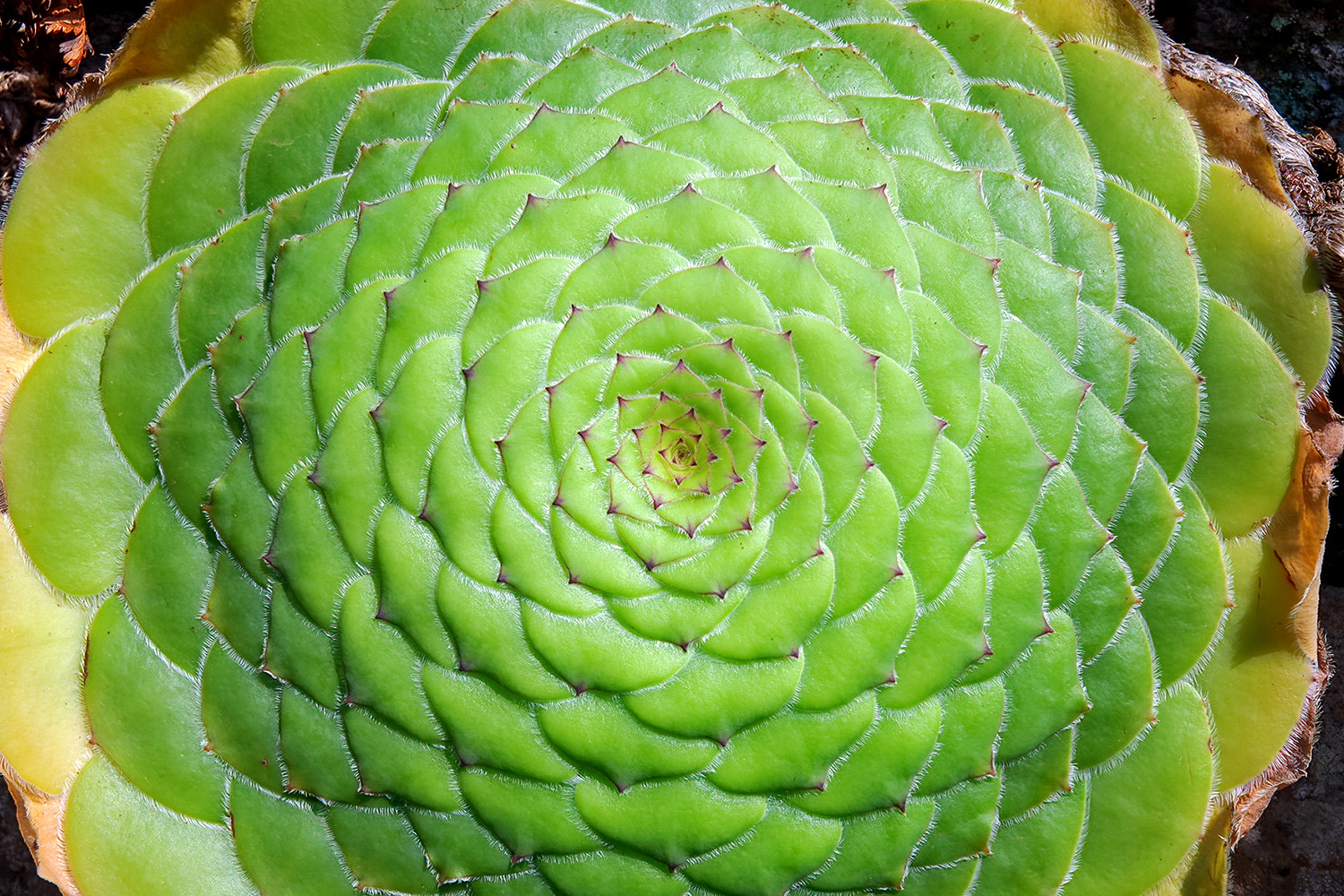
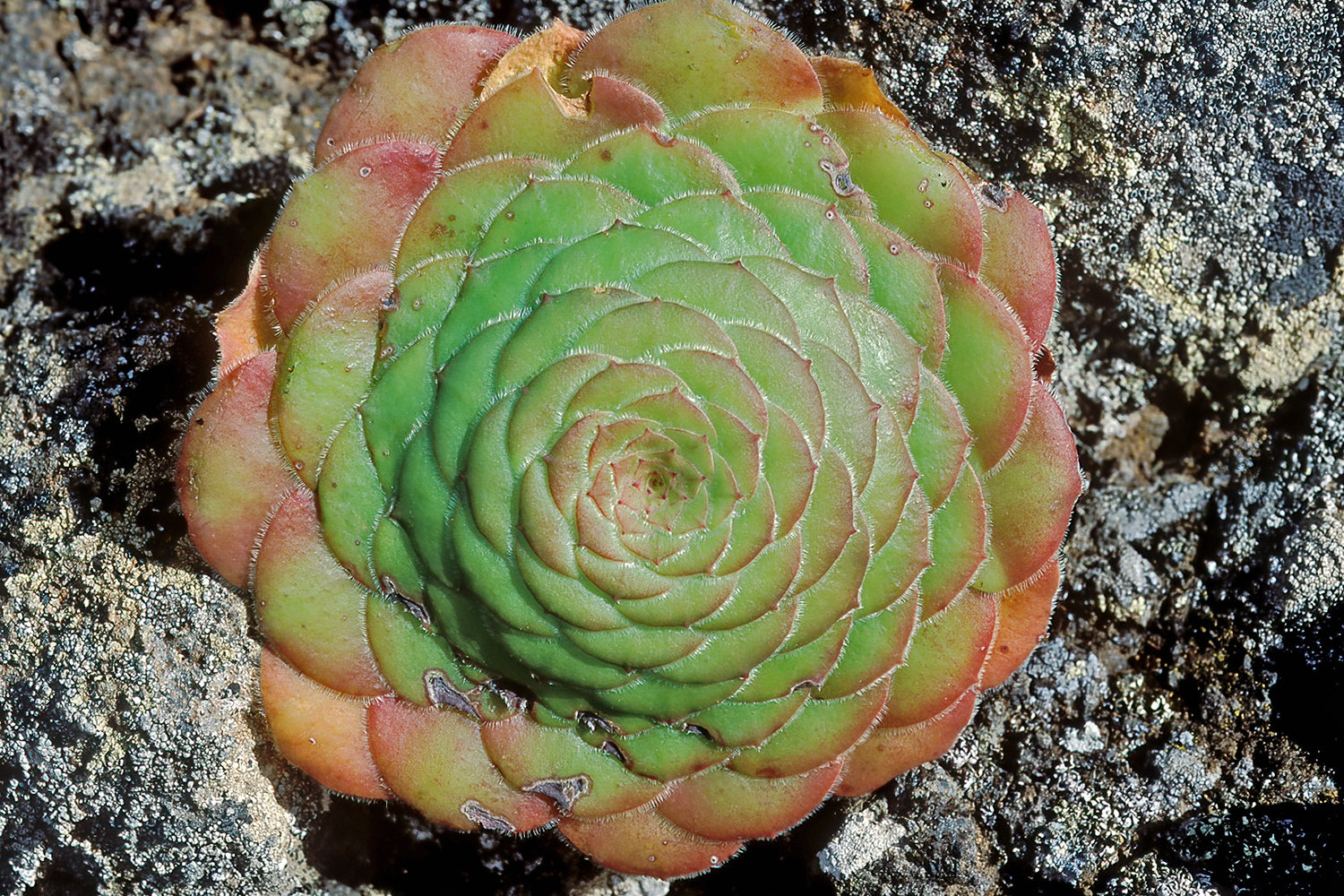
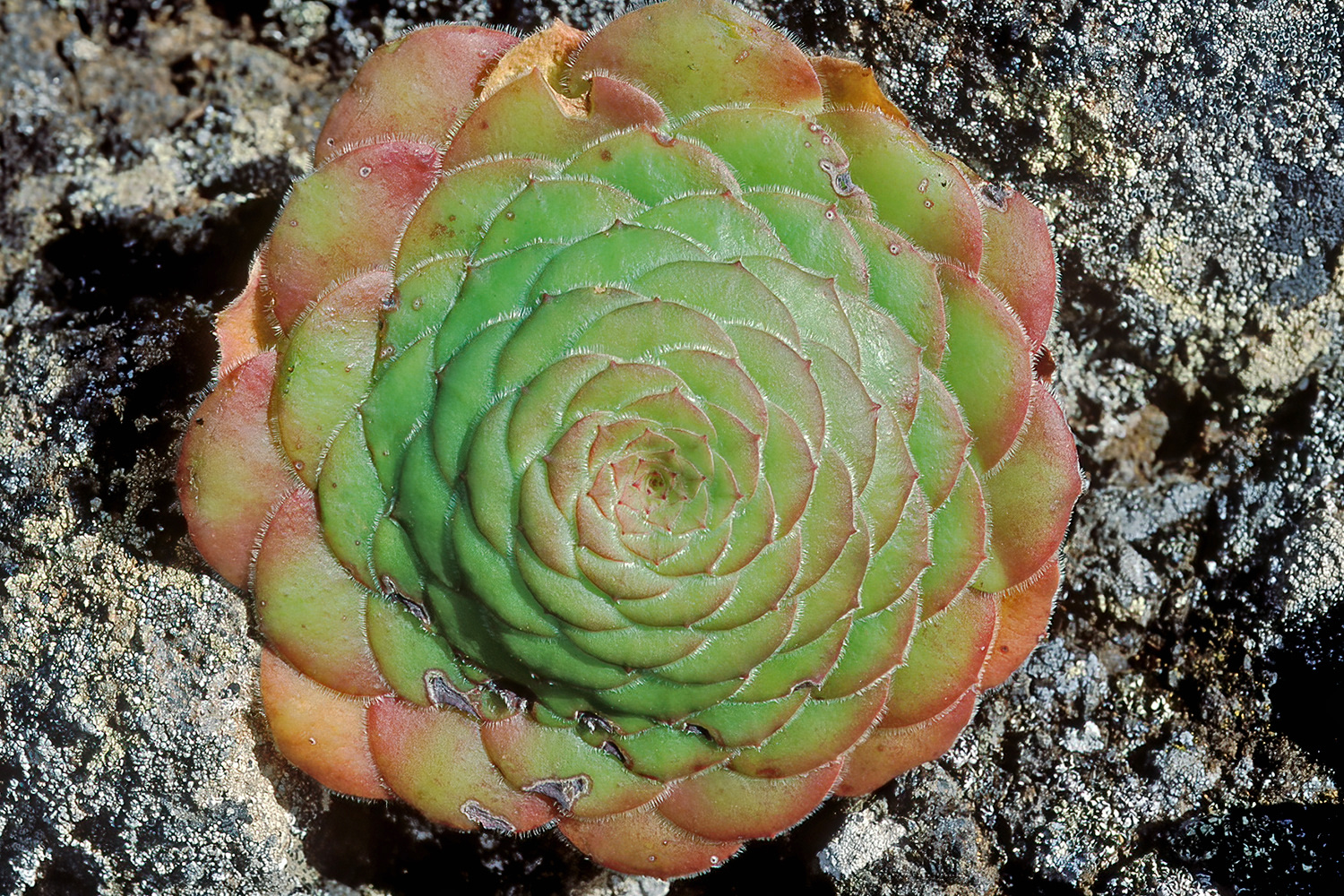
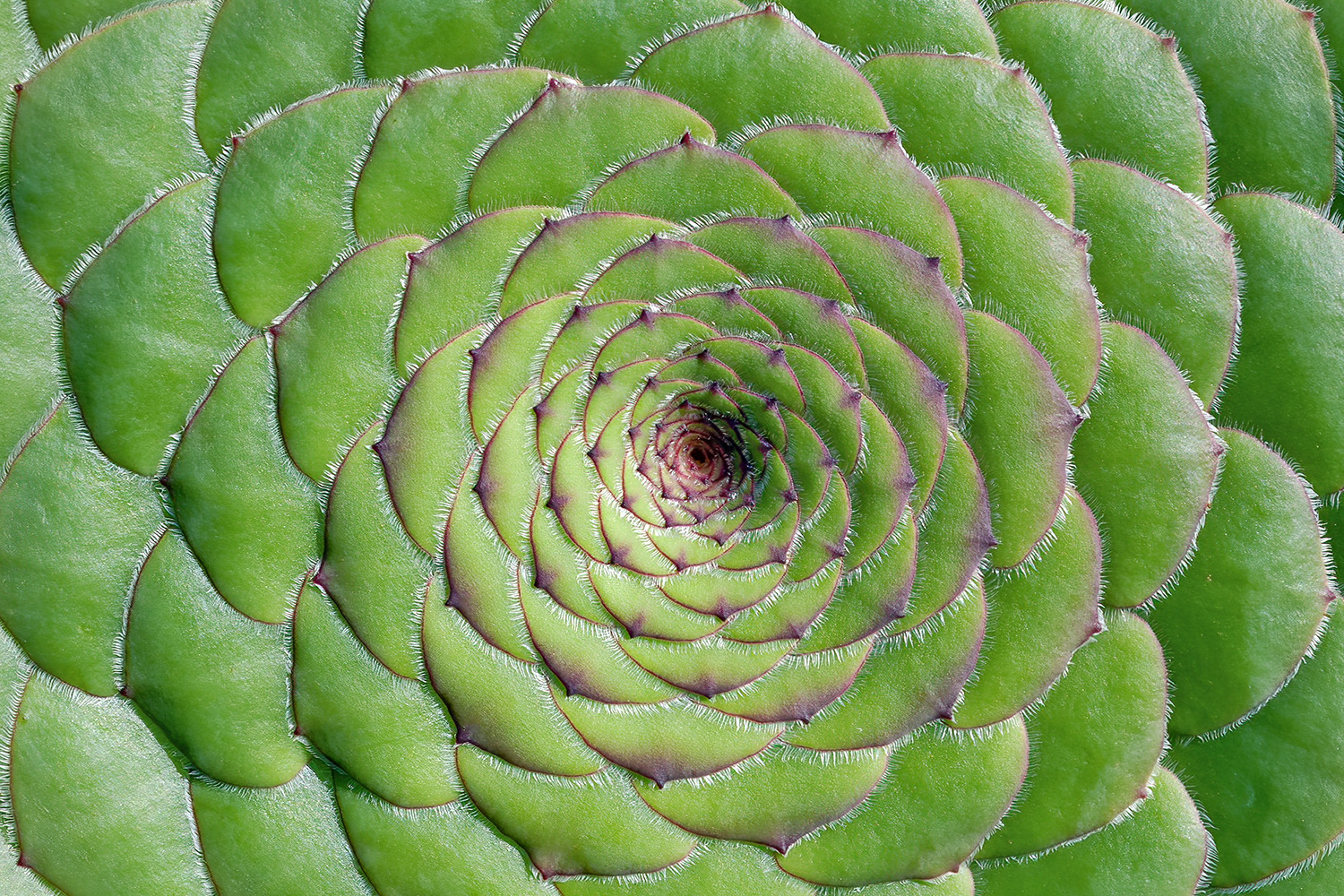
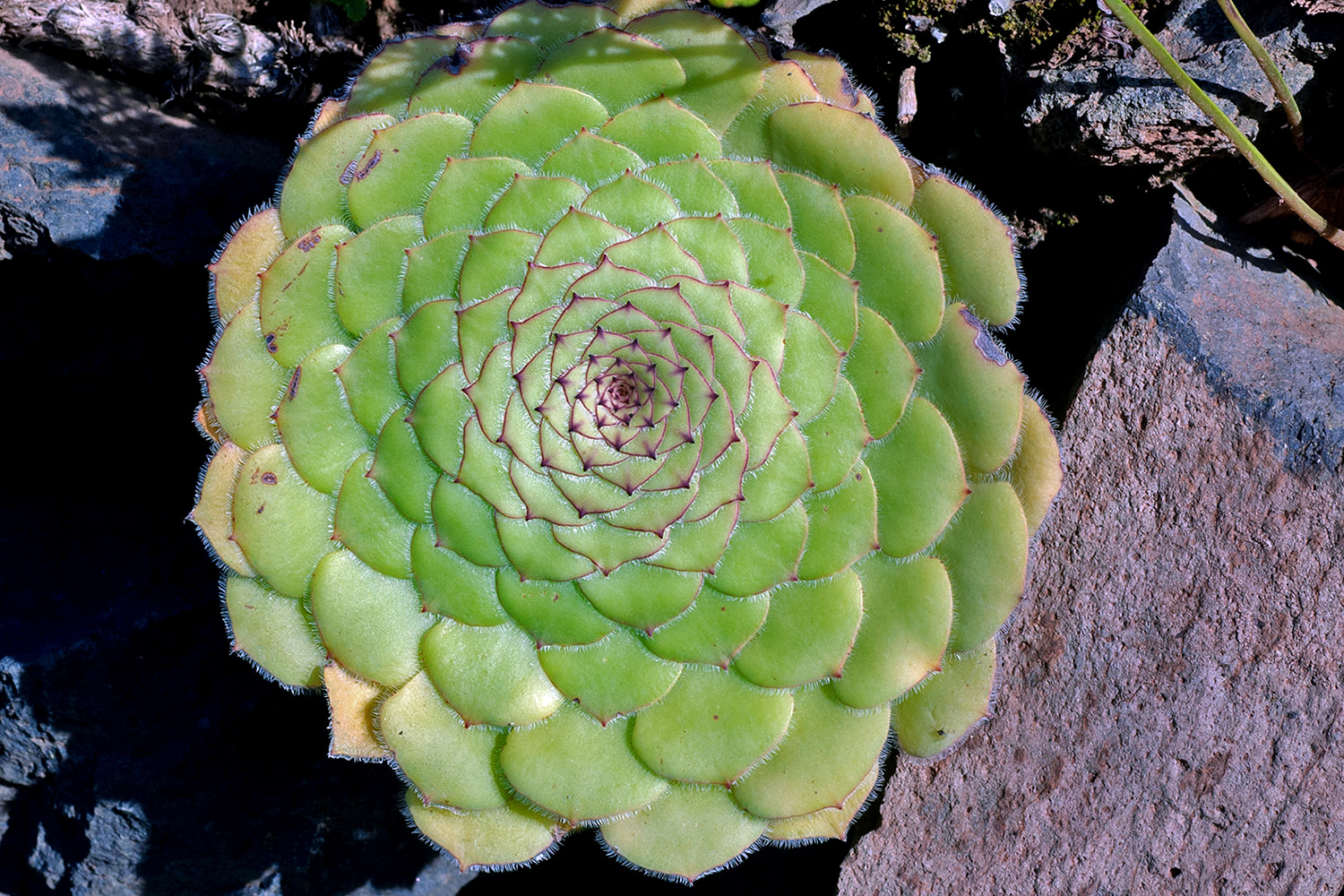
woody stem around which a basal rosette forms, measuring some 10–40 cm in
diameter, flat and very dense, comprising between 100 and 200 leaves that
develop imbricated with one another and follow an almost perfect radial
geometric pattern. Often, these rosettes, which resemble a plate, grow so
close to the rocks that serve as their base that they eventually mould
themselves to them and take on the shape of their irregular surface.
Occasionally, it produces lateral rosettes around the main rosette.
The leaves, approximately 4–20 cm long and 2–4 cm wide, are simple, sessile, broadly spatulate, smooth or slightly hairy, rounded or mucronate at the apex; the margins are fringed with fine, long, whitish cilia. They are usually pale to deep green in colour, but in very sunny conditions they take on reddish hues, particularly at the margins. Once dead, they remain attached to the stem for a long time, forming a second, hidden and soft rosette beneath the new leaves.
Its small, star-shaped, pale yellow flowers, approximately 1 cm in diameter, are grouped in dense, more or less ovoid terminal inflorescences, 15–30 cm long, with loose branching, and supported by a flower stalk some 12–30 cm long, which arises from the very centre of the leaf rosette. Each flower has a fused, hairy calyx, divided into 7–9 more or less lanceolate sepals about 3–4 mm long, a corolla with 7–9 oblong-lanceolate petals 6–7 mm long, green on the underside and yellowish on the upper side, and twice as many stamens with white, thread-like filaments and yellow anthers.
When they set fruit, they produce a large quantity of tiny, dark brown seeds.
Habitat:
A rock-dwelling species endemic to the north coast of the island of
Tenerife, relatively common on cliffs, escarpments, slopes and walls
facing north and north-west, from almost sea level up to the lower limit
of the laurel forest.
It is abundant in very localised areas, forming beautiful colonies in certain spots in Bajamar, Taganana, San Juan de La Rambla, Los Carrizales, etc.
It is abundant in very localised areas, forming beautiful colonies in certain spots in Bajamar, Taganana, San Juan de La Rambla, Los Carrizales, etc.
Flowering:
Flowering takes place in May and August, making it one of the few
species of this genus to flower in summer.
Propagation: By seed. Also by secondary rosettes, in the rare instances where these occur. The plant dies after fruiting.
Uses: It is a beautiful ornamental species, particularly suitable for walls or vertical surfaces, or for sloping areas in rock gardens, and should never be planted in the ground or in pots, as it struggles to grow in a horizontal position.
However, the ornamental use of this lovely little plant should be restricted to its natural range, given the high hybridisation potential of all species in this genus and the risks of genetic contamination that this entails, as well as the need to show the utmost respect for its natural populations.